Equipment Reviews
Spiral vs. Planetary Mixers: Italian Engineering for Different Baking Needs
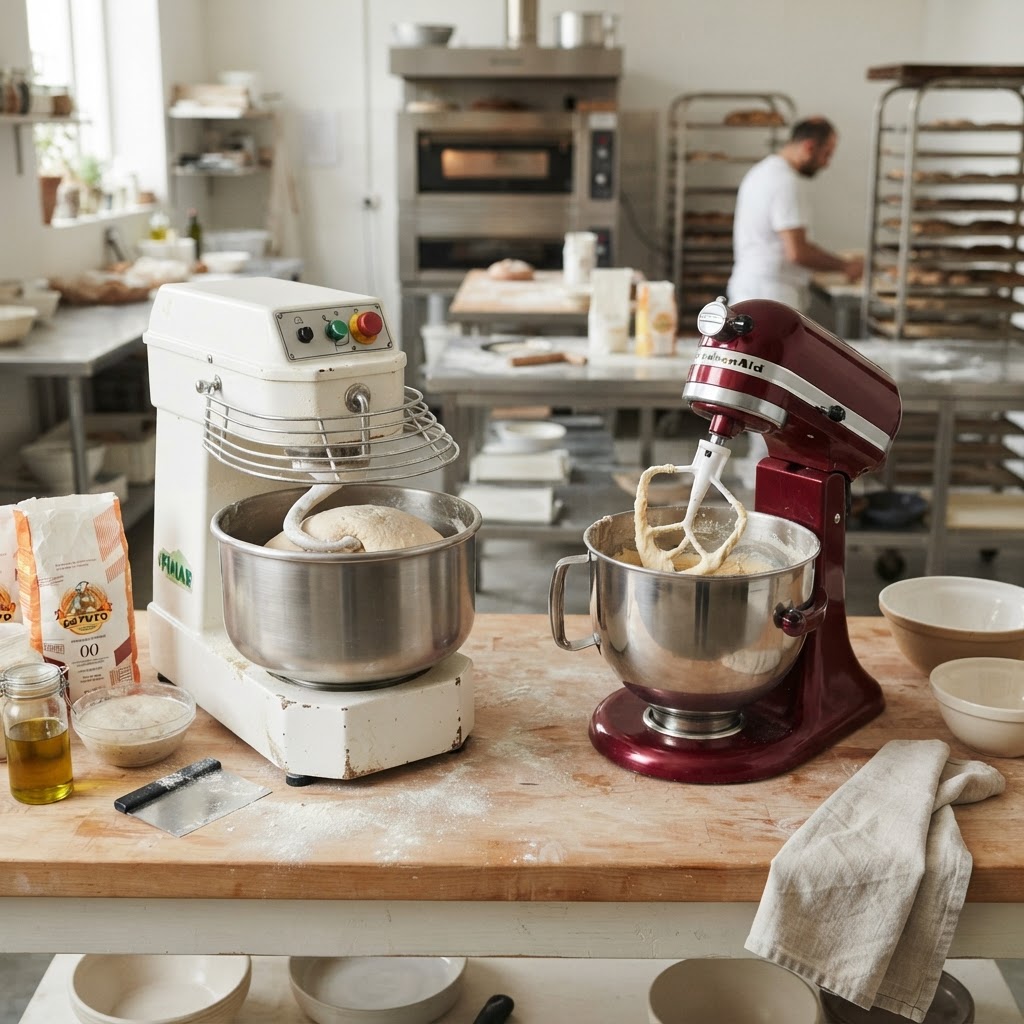
Spiral vs. Planetary Mixers: Italian Engineering for Different Baking Needs
Quick Answer: Which Mixer Should You Choose?
Choose a spiral mixer for dedicated bread and pizza dough, as its rotating bowl minimizes friction and heat. Choose a planetary mixer for versatility, including whisking, creaming, and light doughs. Italian brands like Famag and Sunmix are the gold standard for high-hydration artisan baking.
The Heart of the Italian Bakery: Engineering Excellence
In the world of professional baking, Italian engineering is synonymous with precision, durability, and a deep respect for the craft. Whether you are perfecting a 72-hour fermented Neapolitan pizza dough or a delicate, airy Pan d'Espagna, the machine you use is just as important as the flour you source. The Italian approach to mixer design isn't just about power; it's about the mechanical philosophy of how ingredients are transformed.
When choosing between a spiral and a planetary mixer, you are deciding how you want to interact with your ingredients. This guide breaks down the nuances of Italian-engineered mixers to help you determine which "Maestro" belongs on your countertop or in your laboratory.
1. The Spiral Mixer: The Dough Specialist
Spiral mixers are the undisputed kings of the bread and pizza world. Unlike standard mixers, the spiral hook remains in one place while the bowl itself rotates. This dual action allows the hook to knead only a portion of the dough at a time, which is the secret to its efficiency.
The Science of Low Friction
The primary advantage of the spiral system is the reduction of friction and heat buildup. In high-hydration baking—common in Italian artisan breads—maintaining a cool dough temperature is critical for long-fermentation processes. Because the bowl rotates, the dough is not constantly being beaten against the sides; instead, it is gently folded and stretched.
Key Features of Italian Spiral Mixers
- Synchronized Rotation: The bowl and hook move in harmony, ensuring the dough is oxygenated without being sheared.
- The Breaker Bar: A hallmark of Italian design, this vertical bar helps the dough stay in the mixing zone, preventing it from climbing the hook.
- High Hydration Capabilities: Italian models, particularly those from Famag and Sunmix, are famous for their ability to incorporate water into flour, handling hydrations from 60% to over 100% with ease.
Featured Italian Brands & Specifications
| Feature | Famag IM-5 (Grilletta) | Sunmix Sun6 | | :--- | :--- | :--- | | Origin | Sicily, Italy | Veneto, Italy | | Dough Capacity | 5kg (approx. 8-11 lbs) | 6kg (approx. 13 lbs) | | Speed Control | 10-Speed Inverter | Variable Speed (Potentiometer) | | Reverse Gear | Yes (S Models) | Optional | | Best For | Home enthusiasts & micro-bakeries | Professional aesthetics & high-torque |
2. The Planetary Mixer: The Versatile All-Rounder
The planetary mixer gets its name from its motion: the mixing attachment (paddle, whisk, or hook) rotates on its own axis while simultaneously traveling around the stationary bowl, much like a planet orbiting a sun. This is the machine of choice for the Pasticceria (pastry shop).
Key Features of Planetary Mixers
- Attachment Versatility: By switching the head, you can move from kneading dough to whipping egg whites or creaming butter for cookies.
- Aeration: The planetary motion is superior for incorporating air into batters, making it essential for meringues, sponges, and whipped creams.
- Vertical Motion: The design allows for thorough mixing of ingredients that require different levels of intensity.
The Trade-off
While versatile, planetary mixers generate significantly more heat through friction when handling heavy bread doughs. For stiff doughs, the motor often strains, and the "walking" of the mixer on the counter is a common complaint. If your primary goal is bread, the planetary mixer is a "jack of all trades, master of none."
3. Direct Comparison: Spiral vs. Planetary
| Criteria | Spiral Mixer | Planetary Mixer | | :--- | :--- | :--- | | Primary Use | Bread, Pizza, Bagels | Cakes, Cookies, Meringues | | Dough Quality | Superior gluten development | Moderate gluten development | | Heat Friction | Very Low | Moderate to High | | Versatility | Low (Dough only) | High (Multiple attachments) | | Footprint | Heavy, stable, fixed | Lighter, versatile |
4. Pricing & Market Value
Italian engineering comes at a premium, but these machines are built to last decades. Unlike mass-market mixers, these often feature chain-driven transmissions and heavy-duty steel components rather than plastic gears.
- Entry-Level Italian Spiral (Home/Prosumer):
- Famag IM-5 Series: $950 – $1,250
- Sunmix Sun6: $1,100 – $1,400
- Professional/Commercial Spiral:
- 20kg+ Capacity: $2,500 – $5,000+
- High-End Planetary Mixers (Prosumer/Commercial):
- 7qt to 10qt Models: $800 – $2,000 (e.g., Varimixer or high-end Italian-made Sannino models).
Note: Prices vary based on features like removable bowls, tilting heads, and high-speed inverters.
5. Frequently Asked Questions (FAQ)
Q: Can I make pizza dough in a planetary mixer?
A: Yes, you can. However, for high-hydration or authentic Neapolitan-style dough, a spiral mixer will provide a much better crumb structure and prevent the dough from overheating during the long kneading process.
Q: Why are Italian spiral mixers so popular for sourdough?
A: Sourdough requires careful temperature management and gentle gluten development. Italian mixers like the Famag feature a specialized "breaker bar" that helps oxygenate the dough without shearing the gluten, which is vital for an open crumb.
Q: Does a spiral mixer have a minimum dough capacity?
A: Yes. Most spiral mixers require at least 10-20% of their maximum capacity to function correctly. For a 5kg mixer, you generally need at least 500g of flour to ensure the hook can catch the dough effectively.
Q: Is a tilting head or a fixed head better for spiral mixers?
A: A tilting head (and removable bowl) makes cleaning significantly easier. A fixed head is often slightly more robust and less expensive, but you must clean the bowl while it is attached to the machine.
6. The Verdict: Which One Should You Buy?
Buy a Spiral Mixer if...
You are a dedicated bread baker, pizza enthusiast, or run a micro-bakery. If you find yourself frustrated by your current mixer’s inability to handle high-hydration dough or if your dough feels warm to the touch after kneading, the Italian Spiral Mixer is a life-changing investment. The Famag IM-5 with High Hydration (HH) kit is currently the gold standard for home artisan bakers.
Buy a Planetary Mixer if...
You are a generalist baker who makes a variety of goods. If your weekly routine involves sponges, buttercreams, cookies, and the occasional loaf of sandwich bread, the versatility of the planetary system is unbeatable. Look for a model with at least a 7-quart capacity and a DC motor for better torque.
The "Italian Dream" Setup
Many serious bakers eventually opt for both: a Sunmix for their daily bread and a high-end planetary mixer for their pastries. By separating the heavy-duty kneading from the aerating tasks, you ensure the longevity of both machines and the highest quality of your final bake.