Equipment Reviews
Anodized Aluminum vs. Non-Stick Steel: Italian Bakeware Materials Explained
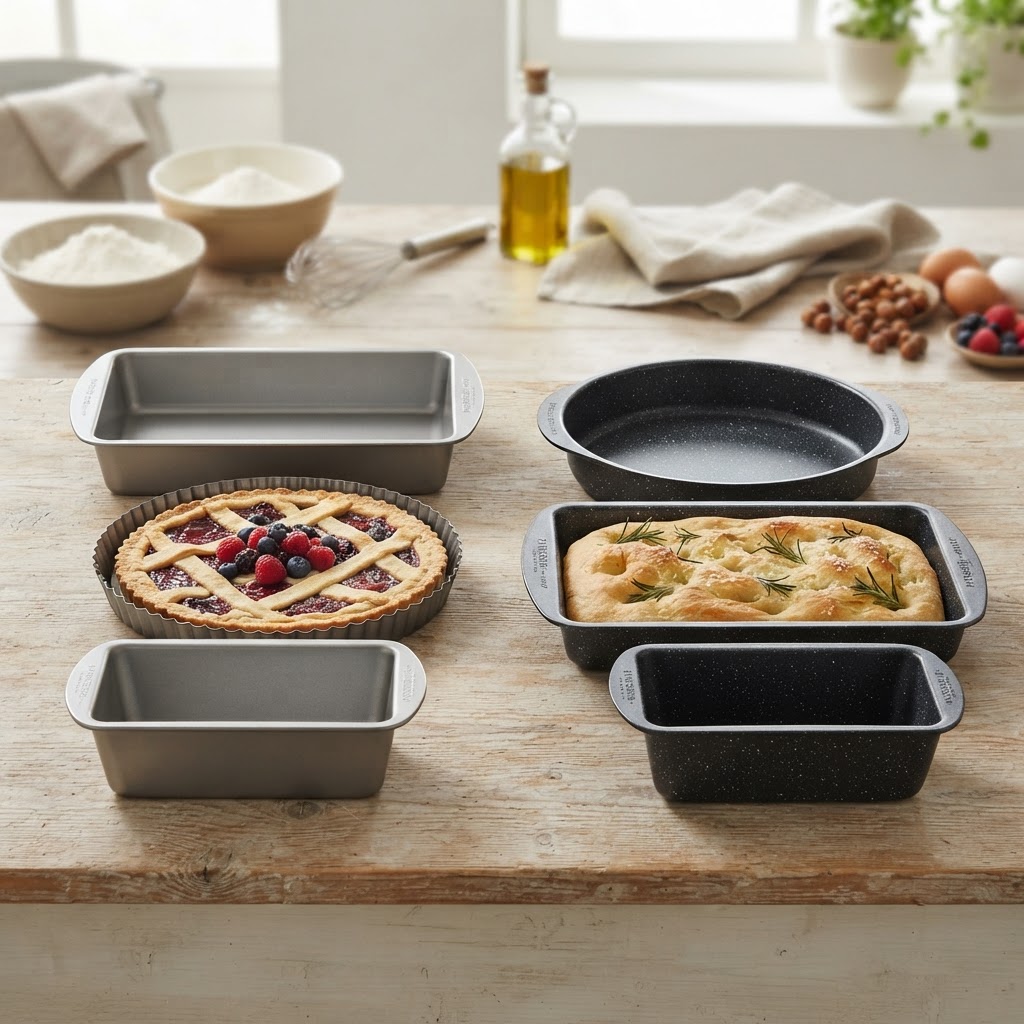
Anodized Aluminum vs. Non-Stick Steel: The Ultimate Italian Bakeware Guide
Quick Answer: Which Bakeware Material is Best?
Anodized aluminum offers superior heat conductivity and professional-grade durability, ideal for delicate Italian pastries. Non-stick steel provides effortless food release and better browning for breads. Choose anodized aluminum for precision and longevity, or non-stick steel for convenience and everyday affordability in your home kitchen.
The Italian Baking Tradition and Your Tools
In the heart of every Italian kitchen, from the rolling hills of Tuscany to the bustling bakeries of Milan, the tools are as sacred as the ingredients. Whether you are attempting a towering Panettone or a crisp-bottomed Focaccia Barese, the material of your bakeware dictates the texture, rise, and crust of your creation. Today, two titans dominate the market: Anodized Aluminum and Non-Stick Steel.
Understanding the molecular differences between these two can elevate your baking from a hobby to a craft. Let’s dive deep into the specifications, performance, and heritage of these materials.
Anodized Aluminum: The Professional’s Choice
What is Anodized Aluminum?
Anodization is an electrochemical process that converts the metal surface into a decorative, durable, corrosion-resistant, anodic oxide finish. Unlike standard aluminum, which can react with acidic ingredients (like lemons or tomatoes), anodized aluminum is "sealed," making it non-reactive and incredibly hard.
Key Features and Specifications
- Superior Heat Conductivity: Aluminum is an elite heat conductor. It heats up quickly and, more importantly, cools down rapidly, preventing over-baking once the pan is removed from the oven.
- Hardness: The surface is harder than steel, making it resistant to scratches and warping.
- Non-Reactive: Perfect for Italian recipes involving citrus or fermented doughs.
- Porosity: The surface has micro-pores that, when used with a little fat, create a natural release over time, though it is not "non-stick" in the chemical sense.
The Italian Connection: Pentole Agnelli
If you look into a professional kitchen in Italy, you will likely see Pentole Agnelli. Their professional aluminum line is the gold standard. A 2mm thick anodized aluminum cake pan provides the uniform heat distribution necessary for a perfect Torta Paradiso.
Non-Stick Steel: The Reliable Workhorse
What is Non-Stick Steel?
Non-stick steel bakeware typically consists of a heavy-duty carbon steel core coated with a non-stick layer, such as PTFE (Teflon) or a ceramic finish. Steel is significantly denser than aluminum, providing a different baking profile.
Key Features and Specifications
- Thermal Retention: Steel takes longer to heat up but holds onto heat much longer. This results in superior browning and a thicker crust—essential for hearty breads.
- Ease of Use: The primary draw is the "slide-off" release. Delicate items like Biscotti di Prato won't stick, even without parchment paper.
- Durability vs. Coating: While the steel core is indestructible, the non-stick coating has a lifespan. Over time, it can flake or lose its effectiveness.
The Italian Connection: Guardini
Guardini is a premier Italian brand specializing in steel bakeware. Their Gardenia and Selene lines utilize high-quality ELASTEEL, ensuring even cooking and a sustainable approach to non-stick coatings.
Direct Comparison: Anodized Aluminum vs. Non-Stick Steel
| Feature | Anodized Aluminum | Non-Stick Steel | | :--- | :--- | :--- | | Heat Speed | Very Fast | Moderate | | Release Quality | Requires greasing | Excellent (Out of the box) | | Browning | Even and light | Deep and dark | | Longevity | Lifetime (won't peel) | 3-7 years (coating dependent) | | Maintenance | Hand wash only | Hand wash (dishwasher safe variants) | | Weight | Lightweight | Heavy |
Pricing and Market Value
Investing in quality bakeware is an investment in your culinary results. Here is what you can expect to pay for high-quality Italian and international brands in the current market:
Anodized Aluminum Pricing
- 8-inch Round Cake Pan: $18.00 – $28.00 (e.g., Fat Daddio’s or Pentole Agnelli).
- Sheet Pan (Half-Sheet): $25.00 – $40.00.
- Specialty Molds (Pandoro): $35.00 – $60.00.
Non-Stick Steel Pricing
- 8-inch Round Cake Pan: $12.00 – $22.00 (e.g., Guardini or Wilton).
- Sheet Pan (Half-Sheet): $15.00 – $30.00.
- Loaf Pans: $10.00 – $20.00.
Frequently Asked Questions (FAQ)
Q: Does anodized aluminum rust? A: No. The anodization process creates an oxide layer that is naturally resistant to rust and corrosion, unlike raw steel or untreated aluminum.
Q: Can I use metal utensils on non-stick steel? A: It is not recommended. Metal spatulas and knives will scratch the coating, compromising the non-stick properties and potentially exposing the steel core to moisture, which causes rust.
Q: Which material is better for sourdough focaccia? A: Non-stick steel is often preferred for focaccia because the high thermal mass of steel helps create that signature crispy, fried-bottom crust that aluminum struggles to replicate.
Q: Is anodized aluminum safe? A: Yes. The anodization process seals the aluminum, preventing any metal from leaching into your food, even when cooking with acidic ingredients.
The Verdict: Which Should You Buy?
Choose Anodized Aluminum if: You are a serious baker who values precision, longevity, and professional results. It is the best choice for delicate cakes, sponges, and pastries where even heat and a clean rise are paramount. Brands like Pentole Agnelli will last a lifetime in your kitchen.
Choose Non-Stick Steel if: You prioritize ease of cleanup and enjoy baking breads, cookies, and roasted items that benefit from a darker, crunchier crust. It is a fantastic, cost-effective entry point for home bakers who want reliable results without the fuss of heavy greasing. Guardini offers excellent Italian-made options in this category.
In the end, many Italian kitchens find room for both. An aluminum mold for the Sunday Ciambellone and a heavy steel tray for the daily Focaccia. Happy baking!